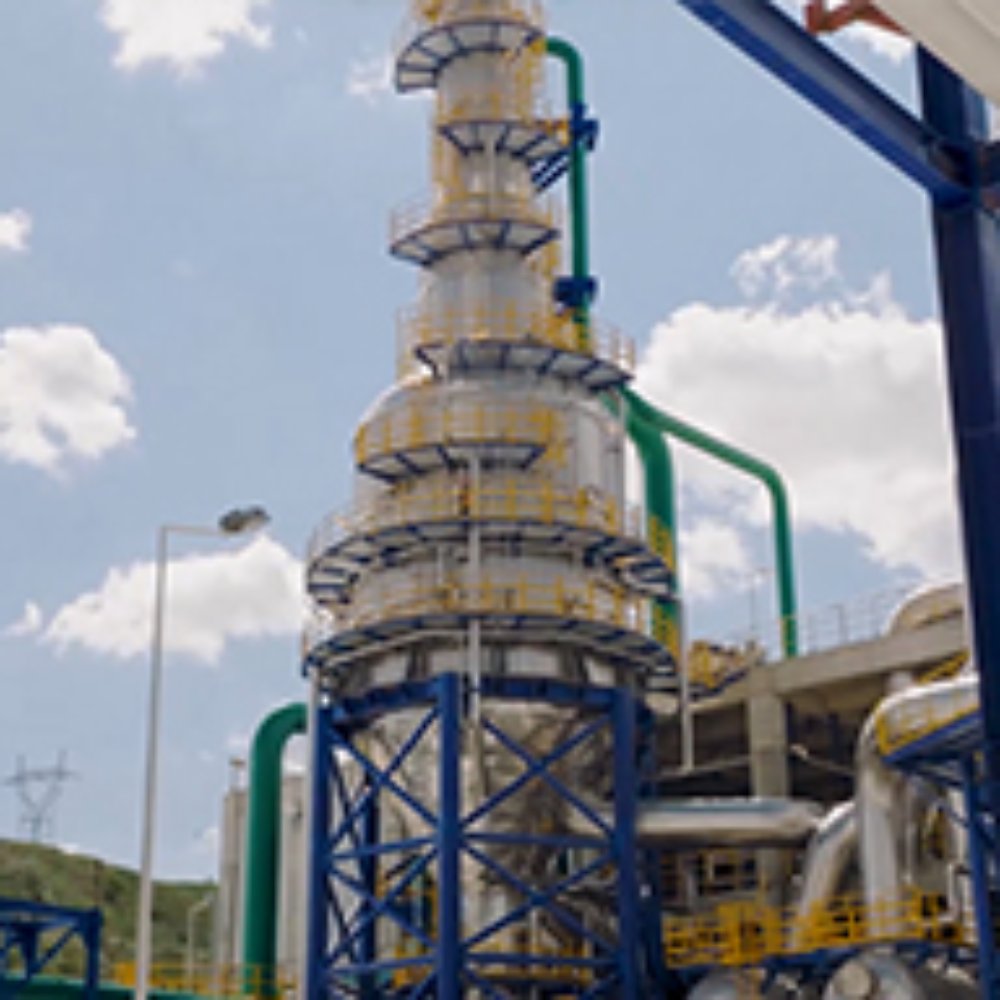
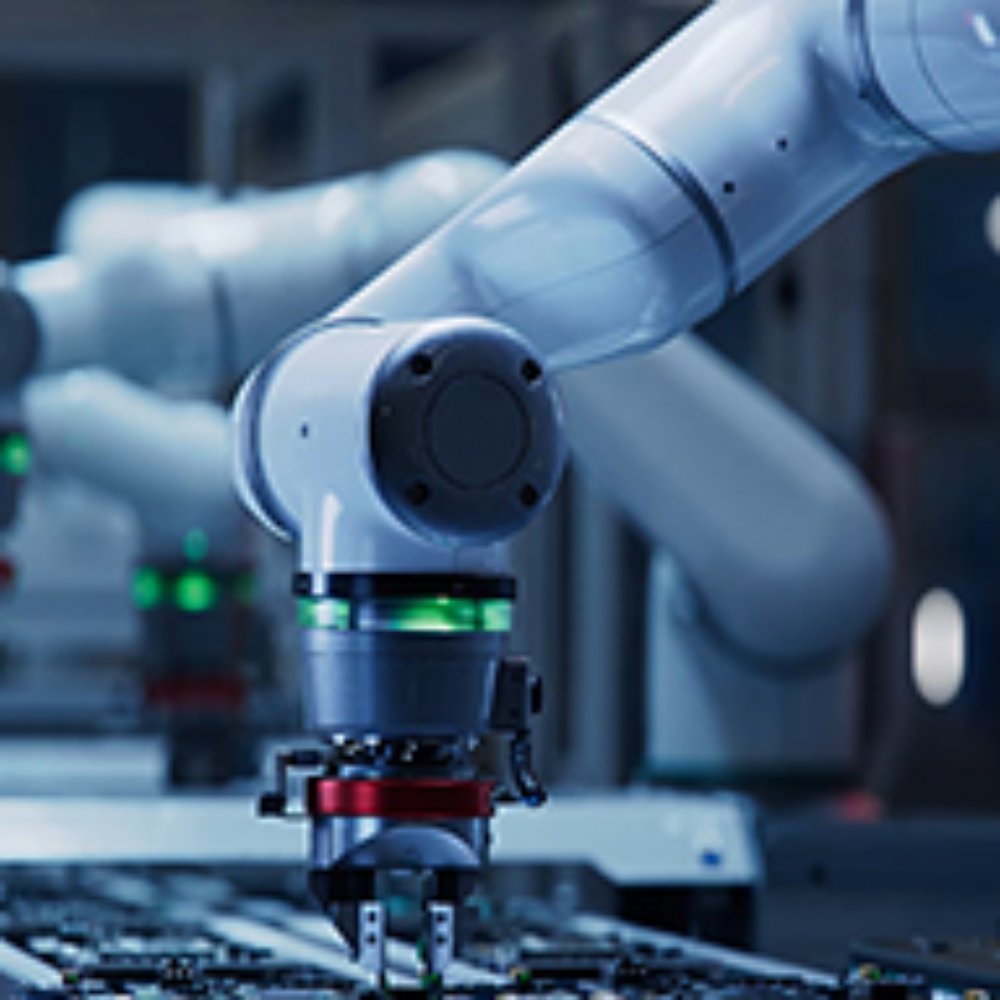
Adapt to new transformative technologies
Learn more
Bridge IT and OT through a zero trust lens
Learn more
Kyndryl provides proven technical expertise, capabilities and blueprints to guide manufacturers through the challenge of transforming their IT and OT environments and addressing the complexities of digitizing and modernizing their plant floor environment.
Go deeper with manufacturing industry resources

Readiness report
Identify your readiness tipping point

ebook
Run manufacturing smarter with SAP on Azure
03
things
to know
to know
01
95%
95% of discrete manufacturers still use paper-based processes (27% still use paper for more than half of all processes).
Source: SDC Executive
02
70%
By 2022, as many as 70 percent of manufacturers may be using digital twins to conduct simulations and evaluations.
Source: Forbes
03
25%
In 2022 alone, nearly a quarter of all detected cyberattacks were targeted at manufacturing firms.
Source: Forbes
industry experts
Our experts, your challenges
Read the Q&A with Kyndryl manufacturing expert, Onofrio Pirrotta, Senior Vice President & Managing Partner
QHow tech helps manufacturing and energy firms create a bright future?
ALeveraging data and building intelligent supply chains will be key to success this year. The manufacturing and energy sector is poised to face more headwinds in 2024, thanks to a range of new and nagging challenges. Industry executives — who have weathered supply chain disruptions, rising costs and talent shortages in recent months — are also aiming to build intelligent and sustainable supply chains, protect data and systems from cyberattacks, and create innovation-focused cultures.
QWhat are the biggest challenges facing manufacturing and energy firms?
AManufacturing and energy businesses face several hurdles right now, with the largest related to technology, sustainability and supply chain issues. The integration and management of diverse IT systems poses significant technological challenges, alongside the struggle of balancing Industry 4.0 digitization with escalating costs. Seamless connectivity between employees and machines will be more crucial than ever, while disruptions in the supply chain, demands for smooth experiences and meeting ESG standards add layers of complexity. Additionally, the growing need for informed decision-making is intensifying the necessity for accurate and clean data...and tools that can help extract insights from that data.
QTo address those challenges, where will these businesses look to invest?
AThere are clearly some investment trends for manufacturing and energy companies. Reducing cost and complexity are always top priorities, especially given the macroeconomic backdrop and supply chain cost pressures. However, increasingly, our customers are looking for help in leveraging technology and data to drive growth and improve employee and customer experiences.
QHow can businesses drive innovation?
ASolving some of these industry challenges starts with a focus on addressing business-critical issues directly. For example, it is important to unlock and deploy mission-critical manufacturing data, digitize and automate processes, and upgrade systems to ensure seamless connectivity between IT and OT environments. Similarly, it is just as crucial to develop sustainable supply chains and cybersecurity protocols to ensure uninterrupted operations and integrate AI and machine learning technologies.
QHow will AI impact the manufacturing and energy sector?
AAI is positioned as a transformative force in the manufacturing and energy landscape. It is similar to how computers were viewed in the 1970s or the internet in the 1990s. AI is not just a tool — it's an opportunity to revamp business operations based on data. AI will significantly impact competitiveness in the market. Those who adopt it into their processes will gain a competitive edge, while those who don't risk falling behind. However, the challenge with artificial intelligence for business lies in determining appropriate ROI for AI investments and establishing a broad company-wide vision where AI becomes integral to driving outcomes and enabling data-informed decision-making.
Onofrio Pirrotta
Senior Vice President Managing PartnerKyndryl
Onofrio Pirrotta
Senior Vice President
Managing Partner
Kyndryl
Senior Vice President
Managing Partner
Kyndryl
Trends and Insights

Article | December 16, 2025 | Read time: 6 min
Article | Jan 31, 2024 | Read time: 5 min
Article | Feb 22, 2024 | Read time: 4 min